
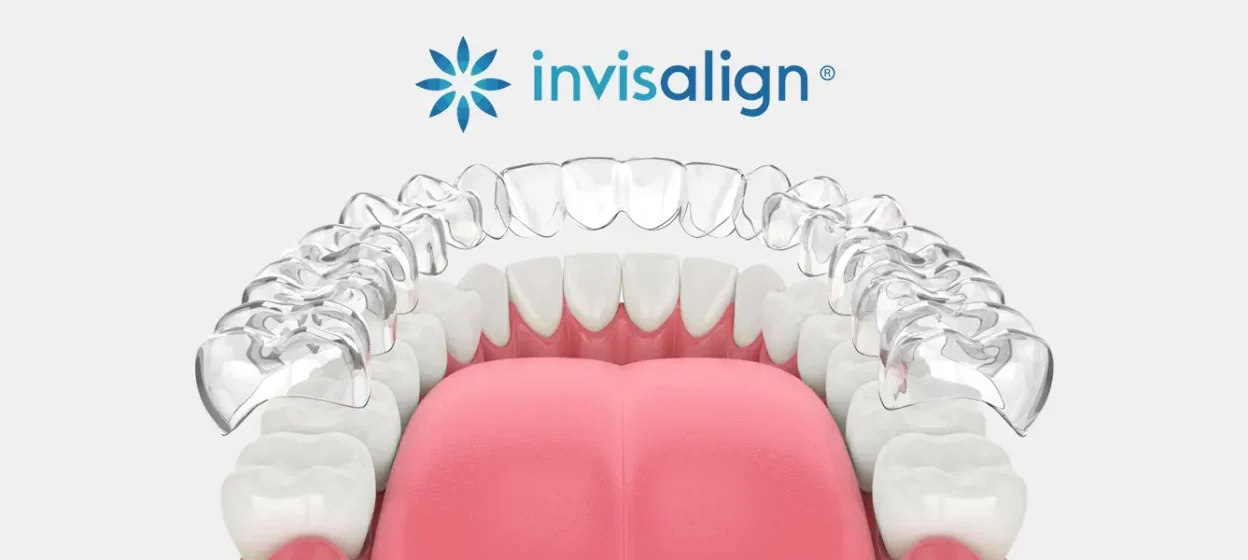
Bite concerns can affect more than appearance. Difficulty chewing, jaw tension, uneven tooth wear, and speech changes may all be linked to how the upper and lower teeth meet. Many adults and teens are now looking for discreet orthodontic options that fit comfortably into everyday routines while also supporting long-term oral health.
For some people, Invisalign® offers a practical way to address mild to moderate bite concerns without traditional braces. If you are considering Invisalign® in Burnaby, BC, learning how clear aligners work may help you decide whether this treatment fits your oral health goals.
Understanding Bite Issues
The term “bite” describes how the top and bottom teeth meet during normal mouth closure. When alignment is uneven, a dentist in Burnaby, BC, may refer to this as a malocclusion. Bite concerns can develop from genetics, childhood habits, missing teeth, jaw growth patterns, or tooth movement over time.
Common bite concerns include:
- Overbite
- Underbite
- Crossbite
- Open bite
- Crowding
- Spacing between teeth
Some people notice symptoms right away, while others only discover concerns during a routine examination.
Signs a Bite May Need Attention
Many bite-related changes happen gradually. You may benefit from an orthodontic assessment if you experience:
- Frequent jaw soreness or tension
- Difficulty cleaning crowded areas
- Tooth sensitivity caused by uneven wear
- Clicking sounds near the jaw joint
- Headaches linked to clenching
- Speech changes
- Food trapping between teeth
Addressing alignment concerns early may help reduce future complications involving teeth and gums.
How Invisalign® Works
Invisalign® treatment uses a sequence of custom clear aligners to move teeth gradually over time. Each aligner is worn for a prescribed period before switching to the next set.
Unlike fixed braces, the trays can be removed for meals, brushing, and flossing. Treatment plans are created using digital scans and detailed assessments of the teeth and jaw relationship.
Many people choose clear aligners because they are less noticeable and easier to manage during daily activities, work, or school.
Can Invisalign® Correct Bite Problems?
Invisalign® may help improve several common bite concerns, depending on their complexity. Treatment outcomes depend on several factors, including jaw structure, tooth position, oral health, and the consistency with which the aligners are worn.
Bite Concerns Often Managed With Aligners
Mild to Moderate Overbite
An overbite refers to excessive overlap between the upper and lower front teeth. Minor or moderate cases may respond well to aligner therapy.
Crowding
When teeth overlap or crowd together, cleaning certain areas properly can become more challenging. Gradual repositioning may improve access for cleaning and gum health.
Crossbite
A crossbite may place uneven pressure on certain teeth, increasing wear. Aligners may help guide teeth into improved alignment in selected cases.
Gaps Between Teeth
Spacing can sometimes contribute to food accumulation and gum irritation. Orthodontic movement may help close these spaces.
Some severe bite concerns may require different orthodontic treatments or surgical care. A complete examination is necessary before beginning treatment.
The Connection Between Bite Alignment and Oral Health
Straightening teeth is not only about appearance. Bite balance can influence several aspects of oral function and hygiene.
Easier Cleaning
When teeth overlap heavily, brushing and flossing become more difficult. Plaque can build up in hard-to-reach areas, increasing the risk of decay and gum inflammation.
Aligned teeth are generally easier to maintain with consistent home care.
Reduced Uneven Tooth Wear
When teeth are not aligned properly, certain areas of the mouth may experience greater force during chewing or grinding. Over time, this may contribute to enamel wear, fractures, or sensitivity.
Improving bite balance may help distribute force more evenly.
Gum Health Support
Crowding and overlapping teeth may create areas where bacteria accumulate more easily. Proper spacing between teeth may help reduce plaque buildup and support gum health.
Jaw Comfort
Some patients notice improvements in chewing comfort after orthodontic treatment. However, outcomes vary based on the cause of jaw discomfort and individual anatomy.
What to Expect During Invisalign® Treatment
The length of care depends on how much tooth movement is needed. Some patients complete treatment within several months, while others require longer care.
A typical process may include:
- Oral examination and digital imaging
- Discussion of goals and treatment suitability
- Custom aligner fabrication
- Regular monitoring appointments
- Retainer use after treatment
Wearing aligners consistently is important. Most plans recommend approximately 20 to 22 hours of daily wear.
Daily Habits That Support Better Results
Orthodontic treatment works effectively when paired with healthy habits.
Helpful Daily Practices
- Brush after meals before reinserting aligners
- Clean trays as directed
- Attend scheduled appointments
- Limit sugary drinks while wearing aligners
- Wear retainers after treatment completion
Consistency helps maintain progress in tooth movement and supports gum health throughout treatment.
Are Clear Aligners Suitable for Everyone?
Not every bite concern can be corrected with removable aligners alone. Severe skeletal discrepancies, advanced jaw issues, or complex tooth movement may require other approaches.
A dentist or orthodontic provider will assess factors such as:
- Bone support
- Existing restorations
- Gum condition
- Tooth position
- Jaw relationship
- Oral hygiene habits
In some situations, additional dental care may be recommended before orthodontic treatment begins.
Final Thoughts on Bite Health and Invisalign®
Bite alignment plays an important role in daily comfort, oral hygiene, and long-term dental function. Invisalign® may help improve certain alignment concerns while supporting easier cleaning and healthier wear patterns when recommended appropriately.
If you have questions about orthodontic treatment or want to understand your options, Smile Dental Group offers patient-centered guidance based on your individual oral health needs. Booking an assessment is a helpful first step toward understanding whether clear aligners may suit your situation. Patients who search for a “dentist near me” can also benefit from discussing preventive care, bite evaluation, and long-term treatment planning during a consultation.